
Skip to content
Categories A-Z

Breast Cancer in women

  • Overview
  • Discovery of breast cancer
    • Signs and symptoms of breast cancer
    • Women's initial reactions to getting a breast cancer diagnosis
    • Ideas about causes of breast cancer
  • Surgery for breast cancer
    • Breast conserving surgery, lumpectomy or wide local excision
    • Mastectomy
    • Making treatment choices for breast cancer
    • Breast reconstruction after breast cancer
    • Choosing not to have breast reconstruction
  • Information and support for breast cancer
    • Finding information about breast cancer
    • Sources of support for breast cancer
    • Support groups for breast cancer
  • Chemotherapy and radiotherapy for breast cancer
    • Chemotherapy for breast cancer
    • Radiotherapy for breast cancer
  • Hormonal therapy for breast cancer
    • Hormonal (Endocrine) Therapy: SERMs (Tamoxifen)
    • Aromatase inhibitors: Arimidex (anastrozole), Aromasin (exemestane) and Femara (letrozole)
    • Luteinising hormone blockers: Zoladex (Goserelin)
    • Ovarian ablation (removing or shutting down the ovaries)
  • Biological therapy (targeted therapy) for breast cancer
    • Biological (targeted) therapy: Herceptin (trastuzumab, Herzuma, Ontruzant)
  • Living with breast cancer
    • How breast cancer affects families
    • How breast cancer affects others
    • Lymphoedema and breast cancer
    • Complementary approaches for breast cancer
    • Body image and breast cancer
    • Prostheses (artificial breasts)
    • Relationships and sex after breast cancer
    • Living with breast cancer
    • Messages to others about breast cancer
  • People's Profiles
    • Women 30 - 49
    • Women 50 - 69
    • Women 70 and Over
    • Women Under 30
  • Resources and Information
  • Credits

Breast Cancer in women

Profiles - Women 30 - 49

Interview 06
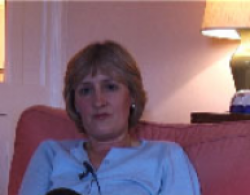
Interview 13

Interview 14
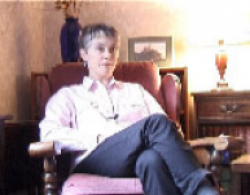
Interview 17
Interview 19

Interview 22

Interview 23

Interview 25

Interview 27

Interview 28

Interview 36

Interview 41

Interview 44

Interview 46

Penny

Penny is a married training development manager. Ethnic background/nationality: White British.

Tess
Tess is a married doctor with three young children. White British.

Previous Page
Next Page

Navigate your health journey with authentic experiences & advice

About us

  • About HEXI - Health Experience Insights
  • Medical Sociology and Health Experiences Research Group
  • Using health experiences in teaching
  • Service Improvement
GO TO THE A-Z
Copyright © University of Oxford. All rights reserved.